

 Español
  Deutsch
  Français
  Italiano
  Português
  Nederlands
  简体中文
简体中文  日本語
日本語  한국어
한국어  العربية
  Українська
  Русский
  Dansk
Dansk  Suomi
Suomi  Svenska
  Norsk bokmål
  עברית
עברית  Türkçe
  Čeština
  Polski
  Български
  српски
  Hrvatski
  Uzbek
Uzbek  हिन्दी
  বাংলাদেশ
  Tiếng Việt
  ไทย
ไทย  Melayu
  Indonesia
 General Knowledge
Have you ever wondered about the intricacies of textile and silk? From the origins of silk to the best care practices, there are countless questions that arise. Here, we’ll delve into some of the most frequently asked questions to provide you with clear and concise answers.
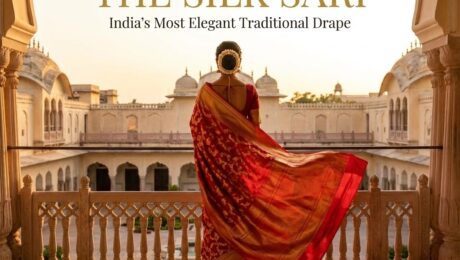
The Beauty of the Silk Sari: Exploring India’s Most Elegant Traditional Drape
Friday, 20 February 2026
There is a reason the sari has remained a pinnacle of global fashion for thousands of years. While modern trends often obsess over exact tailoring and restrictive sizing, this ancient South Asian garment offers a completely different philosophy: the art of the perfect, customized drape. Whether you are a first-time guest preparing for a lavish
- Published in General Knowledge
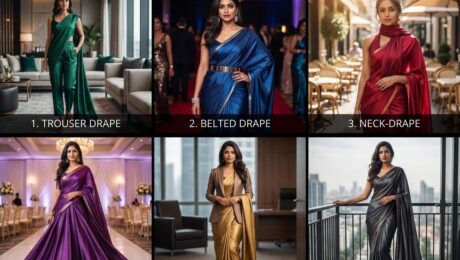
6 Silk Sari Drapes That Look Modern, Chic & Effortless (No Safety Pins Required!)
Friday, 20 February 2026
The beauty of a six-yard silk sari is universally recognized, but the traditional draping process often deters modern wearers. The thought of wrestling with complicated pleats, finding the perfect petticoat, and being poked by a dozen safety pins can make you want to reach for a standard dress instead. However, modern South Asian fashion has
- Published in General Knowledge
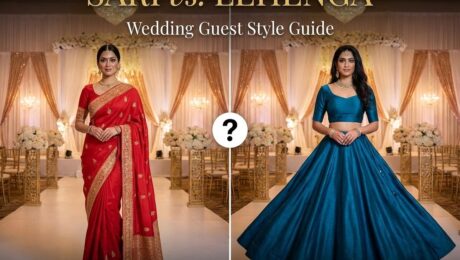
Sari or Lehenga? How to Choose the Perfect Outfit for an Indian Wedding Guest
Friday, 20 February 2026
Receiving an invitation to an Indian wedding is incredibly exciting. It promises multiple days of vibrant celebrations, magnificent decor, and breathtaking fashion. However, for many first-time guests, that excitement is quickly followed by wardrobe panic. The dress code is lavish, and you want to participate respectfully without looking out of place or feeling uncomfortable. The
- Published in General Knowledge

The Rise of Hanfu: Why Ancient Chinese Fashion is Making a Massive Global Comeback
Friday, 20 February 2026
If you walk through the fashion districts of London, Tokyo, or New York today, you might witness a striking sartorial contrast: amidst a sea of minimalist streetwear, someone glides by in a sweeping, cross-collared robe with voluminous sleeves cascading in the wind. This is not a costume, and it is not a fleeting micro-trend. It
- Published in General Knowledge
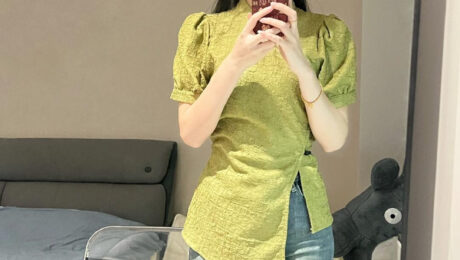
Qipao with Jeans? The Ultimate Guide to the “New Chinese Style” (Xin Zhong Shi)
Friday, 20 February 2026
If you have scrolled through TikTok or walked the streets of any major fashion capital recently, you have likely spotted a striking sartorial combination: a meticulously crafted, traditional mandarin-collar top paired effortlessly with baggy vintage denim. This is not a fashion accident; it is the defining look of a massive global movement known as “Xin
- Published in General Knowledge
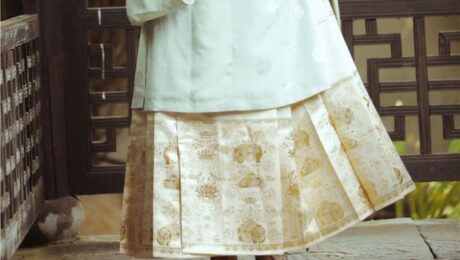
The “Mamianqun” Skirt Craze: Why This Ancient Hanfu Piece is Going Viral on TikTok
Friday, 20 February 2026
If you have spent any time on Fashion TikTok or Instagram Reels recently, you have likely stopped scrolling to watch a truly mesmerizing garment in motion. A sharply pleated, intricately woven skirt catches the light, billowing out into a perfect, dramatic circle as the wearer twirls on a modern city street. This is the Mamianqun,
- Published in General Knowledge
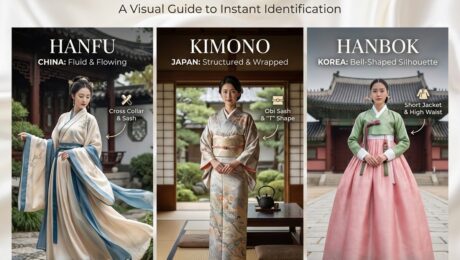
Hanfu vs. Kimono vs. Hanbok: A Visual Guide to Spotting the Difference Instantly
Friday, 20 February 2026
East Asian traditional fashion is experiencing a massive global renaissance. From viral TikTok styling videos to international haute couture runways, historical garments are being embraced by a entirely new generation. However, as these breathtaking silhouettes gain mainstream popularity, it is incredibly easy to confuse them. While the Chinese Hanfu, the Japanese Kimono, and the Korean
- Published in General Knowledge
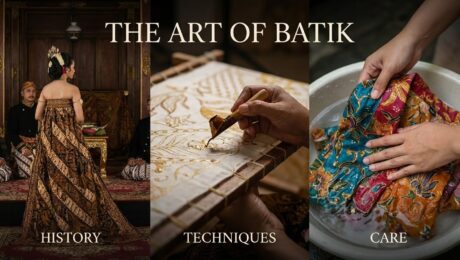
The Art of Batik: History, Techniques, and Care Guide for Silk Shirts
Friday, 20 February 2026
Step into a world where fashion is quite literally fine art. A genuine Batik silk shirt is much more than a vibrant garment for a tropical vacation or a summer evening out; it is a wearable canvas steeped in centuries of heritage. As this intricate Southeast Asian art form continues to capture the attention of
- Published in General Knowledge
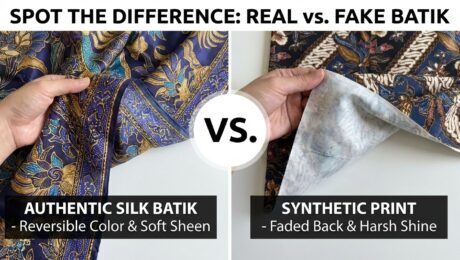
Real Silk vs. Synthetic: How to Spot Authentic Batik Fabric in Seconds
Friday, 20 February 2026
Stepping out in a beautifully patterned Batik shirt is a powerful statement of cultural appreciation and refined taste. As this traditional Southeast Asian art form gains massive popularity in global luxury fashion, the market has unfortunately been flooded with cheap, mass-produced imitations. When you are investing in a piece of heritage fashion, you want the
- Published in General Knowledge
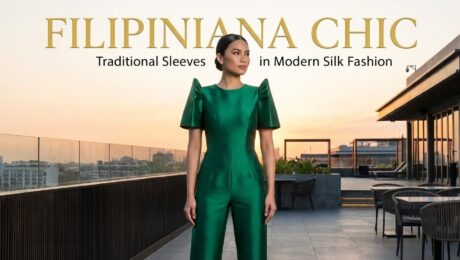
The Rise of “Filipiniana Chic”: Integrating Traditional Sleeves into Modern Silk Fashion
Friday, 20 February 2026
Look at any major red carpet or high-society wedding today, and you will notice a distinct shift toward architectural, statement-making silhouettes. We are moving away from minimalist slip dresses and embracing garments that command space and tell a story. At the absolute forefront of this movement is “Filipiniana Chic”—a fashion renaissance that marries the majestic,
- Published in General Knowledge

How to Wear a Barong Tagalog (Without Looking Like Your Uncle)
Thursday, 19 February 2026
We all love our uncles, but you probably do not want to borrow their style playbook for your next major event. The Barong Tagalog is a breathtaking piece of Filipino heritage and a masterpiece of formalwear. Yet, let’s be honest: when worn incorrectly, its traditionally loose, boxy silhouette can instantly age you by a few
- Published in General Knowledge
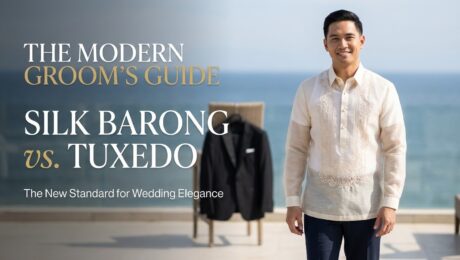
The Modern Groom’s Guide: Why the Silk Barong Tagalog is Outshining the Tuxedo
Thursday, 19 February 2026
Modern weddings are undergoing a massive sartorial shift. As destination ceremonies, beachfront vows, and intimate garden weddings become the new standard, grooms are realizing that a heavy, restrictive wool tuxedo is no longer the only option for formalwear. Today’s grooms want to look impeccably dressed, but they also want to breathe, move, and actually enjoy
- Published in General Knowledge
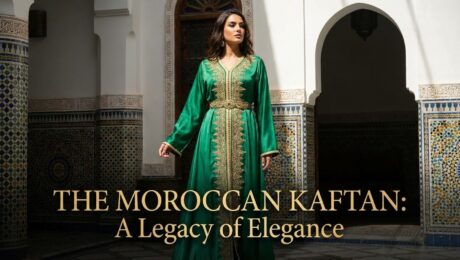
What is a “Moroccan Kaftan”? The History Behind the World’s Most Elegant Robe
Thursday, 19 February 2026
Imagine a garment so inherently regal that it has been worn by royalty for centuries, yet so effortlessly comfortable that it remains a modern luxury resort essential. This is the enduring magic of the Moroccan kaftan. While the term “kaftan” is frequently used today to describe almost any loose-fitting beach cover-up, the true Moroccan kaftan
- Published in General Knowledge
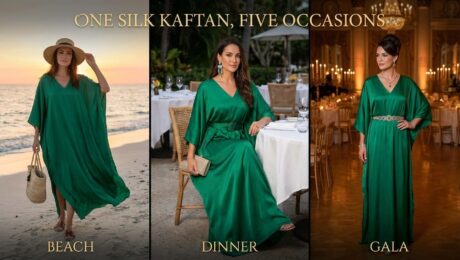
From Beach to Gala: How to Style One Silk Kaftan for 5 Different Occasions
Thursday, 19 February 2026
The ultimate vacation packing dilemma is universal: you want endless outfit options, but you only have so much suitcase space. The solution isn’t packing more; it’s packing smarter. Enter the pure silk kaftan—the most versatile, hardworking garment in a luxury wardrobe. While often categorized solely as “beachwear,” a high-quality silk kaftan is a sophisticated chameleon.
- Published in General Knowledge
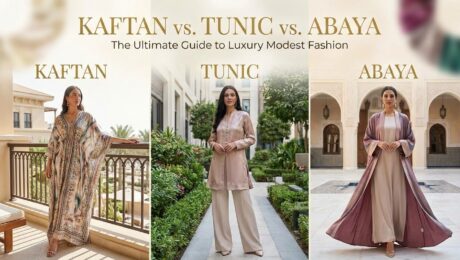
Kaftan vs. Tunic vs. Abaya: The Ultimate Guide to Luxury Modest Fashion
Thursday, 19 February 2026
Modest fashion has firmly established itself at the forefront of global luxury. However, as sweeping silhouettes and extended hemlines dominate designer collections, the terminology can easily become confusing. If you are curating a refined wardrobe that balances coverage with high-end elegance, you might find yourself wondering about the exact differences between a kaftan, a tunic,
- Published in General Knowledge

The “Old Money” Resort Look: Why a Silk Kaftan is Your Vacation Essential
Thursday, 19 February 2026
Stepping off a yacht in the Amalfi Coast or lounging at a private villa in Bali requires a very specific type of wardrobe. The era of flashy logos and overly complicated beachwear is fading, replaced by a refined, understated elegance often called the “old money” aesthetic. This trend prioritizes quality, comfort, and timeless silhouettes over
- Published in General Knowledge
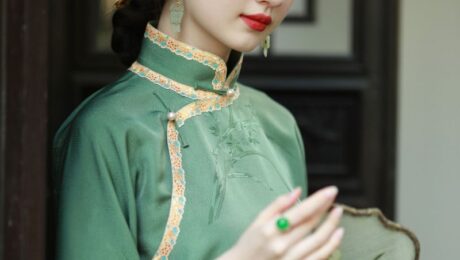
From Shanghai to the Runway: The Global Influence of the Cheongsam on International Fashion Designers
Sunday, 03 August 2025
The cheongsam, or qipao, is more than just a dress; it is a cultural icon, a symbol of feminine grace, and a canvas of Chinese history. Born in the cosmopolitan ferment of 1920s Shanghai, it was initially a garment of liberation, adapting the loose-fitting robes of the Manchu people into a sleek, form-fitting silhouette that
- Published in General Knowledge
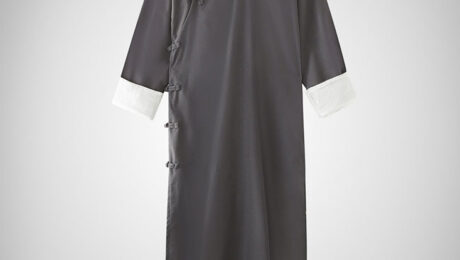
The Masculine Counterpart: Exploring the Changshan for Men
Sunday, 03 August 2025
When one thinks of iconic traditional Chinese clothing, the image that most often springs to mind is the Cheongsam, or Qipao. This elegant, form-fitting dress has become a global symbol of feminine grace and Eastern beauty, celebrated on red carpets and in cinematic masterpieces. Yet, in the rich tapestry of Chinese sartorial history, the Cheongsam
- Published in General Knowledge

Cultural Appreciation or Appropriation? The Global Debate Surrounding the Cheongsam
Sunday, 03 August 2025
The cheongsam, also known as the qipao, is a garment of undeniable elegance and profound cultural significance. With its distinctive mandarin collar, delicate pankou fastenings, and figure-hugging silhouette, it has transcended its origins to become a globally recognized symbol of Chinese femininity and style. From the bustling streets of 1930s Shanghai to the high-fashion runways
- Published in General Knowledge

Cheongsam vs. Hanfu: Understanding the Key Differences in Chinese Traditional Dress
Sunday, 03 August 2025
The rich and sprawling tapestry of Chinese history is woven with countless cultural threads, and few are as visually captivating as its traditional attire. When people think of Chinese dress, two prominent garments often come to mind: the elegant, form-fitting Cheongsam and the flowing, ethereal Hanfu. While both are celebrated as symbols of Chinese culture,
- Published in General Knowledge

The Cheongsam Comeback: Why This Classic Dress is Trending Again
Sunday, 03 August 2025
With its distinctive mandarin collar, elegant side slits, and form-fitting silhouette, the cheongsam, also known as the qipao, is one of the most recognizable garments in the world. For decades, it has been a symbol of feminine grace, cultural heritage, and a certain brand of timeless glamour, often associated with the golden age of Shanghai
- Published in General Knowledge

Spotting the Difference: A Guide to Authentic vs. Mass-Produced Cheongsams
Sunday, 03 August 2025
The cheongsam, or qipao, stands as an icon of feminine grace and cultural heritage. Its sleek silhouette, high mandarin collar, and delicate details have captivated the world for a century, evolving from a symbol of modern Chinese womanhood to a global fashion statement. With this enduring popularity comes a market flooded with options, ranging from
- Published in General Knowledge
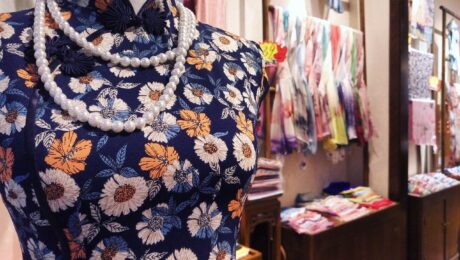
A Traveler’s Guide to Buying a Cheongsam in China: What to Look For
Sunday, 03 August 2025
The cheongsam, or qipao, is more than just a dress; it is an icon of Chinese culture, a symbol of elegance, and a piece of wearable art. For a traveler in China, purchasing a cheongsam can be a highlight of the trip, a tangible memory that captures the beauty and tradition of the nation. However,
- Published in General Knowledge
How to Care for and Preserve Your Vintage Cheongsam
Sunday, 03 August 2025
A vintage cheongsam is more than just a dress; it is a wearable piece of history, a whisper from a bygone era of elegance and grace. Crafted from delicate silks, intricate brocades, and often adorned with meticulous hand-embroidery, each garment tells a story of its time and its wearer. Owning such a treasure comes with
- Published in General Knowledge
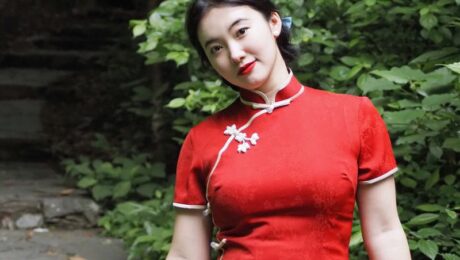
The Ultimate Guide to Buying Your First Bespoke Cheongsam
Sunday, 03 August 2025
The cheongsam, or qipao, is more than just a dress; it is a statement of elegance, a piece of cultural heritage, and a silhouette that celebrates the female form with unparalleled grace. While off-the-rack options are plentiful, they often fail to capture the true essence of the garment, which lies in its perfect, body-skimming fit.
- Published in General Knowledge

From Office to Evening: The Versatility of the Modern Cheongsam
Sunday, 03 August 2025
The cheongsam, or qipao, is a garment steeped in history and synonymous with grace, elegance, and cultural identity. For decades, its image has been tied to formal events, cinematic glamour, and ceremonial occasions. It was a dress reserved for weddings, New Year celebrations, or high-stakes social functions. However, the modern fashion landscape has breathed new
- Published in General Knowledge
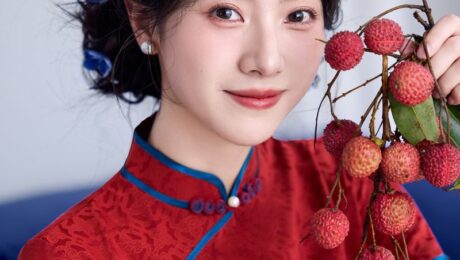
Cheongsam for the Modern Bride: Beyond the Traditional Red
Sunday, 03 August 2025
The cheongsam, or qipao, stands as an enduring emblem of Chinese culture, a garment celebrated for its graceful silhouette that exudes elegance and poise. For generations, it has been a quintessential part of a bride’s wedding wardrobe, most famously appearing in a vibrant, auspicious red. This traditional choice is steeped in symbolism, representing luck, joy,
- Published in General Knowledge
Mixing and Matching: Incorporating Cheongsam Elements into Your Everyday Wardrobe
Sunday, 03 August 2025
The cheongsam, or qipao, stands as one of the most iconic and elegant garments in fashion history. With its figure-hugging silhouette, graceful Mandarin collar, and intricate details, it evokes a sense of timeless sophistication and cultural richness. Traditionally reserved for formal occasions, weddings, and Lunar New Year celebrations, the cheongsam is often perceived as a
- Published in General Knowledge
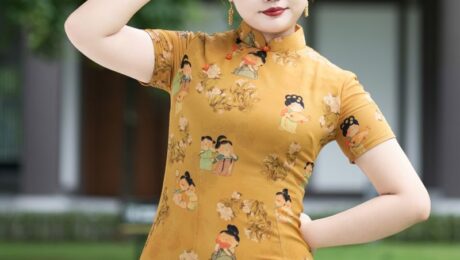
Finding the Perfect Cheongsam for Your Body Type
Sunday, 03 August 2025
The cheongsam, also known as the qipao, is a garment steeped in history, elegance, and cultural significance. Its iconic silhouette, characterized by a high mandarin collar, asymmetrical front, and body-hugging cut, has captivated the world for over a century. However, a common misconception persists: that the cheongsam is exclusively flattering on one specific body type—tall
- Published in General Knowledge
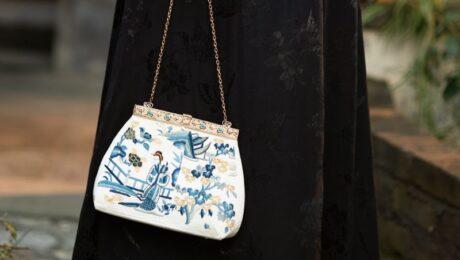
Accessorizing Your Cheongsam: A Guide to Jewelry, Shoes, and Bags
Sunday, 03 August 2025
The cheongsam, or qipao, is a garment of unparalleled elegance and timeless grace. Its form-fitting silhouette and iconic mandarin collar create a statement that is both sophisticated and culturally rich. While a beautifully crafted cheongsam is a masterpiece in its own right, the true art of wearing one lies in the selection of accessories. The
- Published in General Knowledge
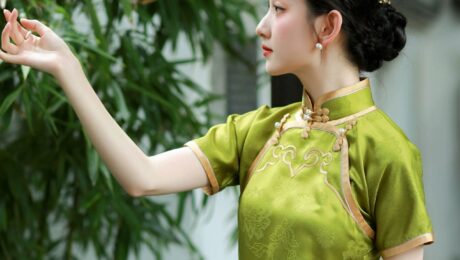
The Modern Cheongsam: How Designers are Reimagining a Classic
Sunday, 03 August 2025
The cheongsam, or qipao, is more than just a dress; it is a cultural symbol, a canvas of history, and an emblem of feminine elegance. Originating in 1920s Shanghai, this form-fitting garment with its characteristic Mandarin collar, side slits, and intricate frog closures (pankou) became synonymous with a new era of Chinese modernity. For decades,
- Published in General Knowledge

How to Style a Cheongsam for a Casual Day Out
Sunday, 03 August 2025
The cheongsam, or qipao, is a garment steeped in history, radiating an aura of grace, sophistication, and timeless femininity. Traditionally reserved for formal events, weddings, and celebratory occasions, its figure-hugging silhouette and luxurious fabrics have cemented its status as a symbol of elegance. However, in the modern fashion landscape where personal expression reigns supreme, the
- Published in General Knowledge

The Cheongsam in Modern Chinese Art: A Muse for Painters and Photographers
Sunday, 03 August 2025
The cheongsam, or qipao, is far more than a mere garment. It is a silhouette woven into the very fabric of modern Chinese history, a potent symbol of femininity, national identity, and the complex interplay between tradition and modernity. Originating in the tumultuous early 20th century, its evolution from a loose-fitting robe to the iconic,
- Published in General Knowledge

Literary Stitches: The Cheongsam in Chinese and Diasporic Literature
Sunday, 03 August 2025
The cheongsam, or qipao, is far more than a mere article of clothing. With its high mandarin collar, fitted silhouette, and delicate pankou (frog closures), it is a garment woven into the very fabric of modern Chinese history. It is a potent cultural symbol, a canvas upon which narratives of modernity, tradition, revolution, and identity
- Published in General Knowledge

From “The World of Suzie Wong” to “Crazy Rich Asians”: The Cheongsam on the Silver Screen
Sunday, 03 August 2025
The cheongsam, or qipao, is more than just a garment; it is a vessel of history, a canvas for artistry, and a powerful symbol of identity. Its slender, form-fitting silhouette is instantly recognizable, evoking notions of elegance, tradition, and sensuality. Nowhere has its multifaceted nature been more vividly explored and, at times, controversially defined, than
- Published in General Knowledge