

 Español
  Deutsch
  Français
  Italiano
  Português
  Nederlands
  简体中文
简体中文  日本語
日本語  한국어
한국어  العربية
  Українська
  Русский
  Dansk
Dansk  Suomi
Suomi  Svenska
  Norsk bokmål
  עברית
עברית  Türkçe
  Čeština
  Polski
  Български
  српски
  Hrvatski
  Uzbek
Uzbek  हिन्दी
  বাংলাদেশ
  Tiếng Việt
  ไทย
ไทย  Melayu
  Indonesia
 Textile Knowledge
Blog posts on textile knowledge cover a wide range of topics related to fabrics, including their production, properties, and applications. These posts aim to educate readers on the various aspects of textiles, from the raw materials used to the finished products we use every day.

Revitalize Your Wool Rugs: A Guide to Vinegar Cleaning
Tuesday, 11 October 2022
Cleaning wool rugs can be a delicate process. Harsh chemicals can damage the natural fibers, leading to discoloration and deterioration. A gentler, more natural approach using vinegar can effectively clean and freshen your wool rugs while preserving their integrity. This article provides a comprehensive guide to cleaning wool rugs with vinegar. 1. Understanding Wool and
- Published in Textile Knowledge

How to Fringe Wool
Tuesday, 11 October 2022
Adding fringe to a wool project can elevate its look, providing texture and a handcrafted feel. Whether you’re working on a scarf, blanket, or garment, mastering the art of fringing will add a professional and decorative touch. This guide provides detailed methods for creating various types of fringes on wool. 1. Preparing Your Wool for
- Published in Textile Knowledge

How to Get Wrinkles Out of Wool
Tuesday, 11 October 2022
Wool, a beloved natural fiber, is known for its warmth, durability, and elegant drape. However, its susceptibility to wrinkling can be a source of frustration. Fortunately, several methods can restore your wool garments to their pristine, wrinkle-free condition. This guide will explore effective techniques, ranging from gentle steaming to more assertive pressing, to help you
- Published in Textile Knowledge

How to Make Boiled Wool
Tuesday, 11 October 2022
Boiled wool, also known as felted wool, is a wonderfully dense and durable fabric created through a process of shrinking and matting wool fibers. It’s prized for its warmth, water resistance, and unique texture, making it ideal for outerwear, home goods, and accessories. This article will guide you through the detailed process of transforming a
- Published in Textile Knowledge

How Is Wool Turned Into Fabric
Tuesday, 11 October 2022
Wool, a natural fiber prized for its warmth, durability, and versatility, undergoes a fascinating transformation from raw fleece to finished fabric. This process involves several key stages, each contributing to the final texture, quality, and appearance of the wool product. 1. Shearing and Sorting The journey begins with shearing, the process of removing the fleece
- Published in Textile Knowledge

How to Lighten Wool
Tuesday, 11 October 2022
Wool, a natural fiber prized for its warmth, durability, and luxurious feel, can sometimes present a challenge when it comes to color. Whether you’re dealing with a piece that has aged or you simply desire a lighter shade, understanding how to safely and effectively lighten wool is essential. This guide will provide you with practical
- Published in Textile Knowledge

Decoding Wool: A Comprehensive Guide to Types, Properties, and Uses
Tuesday, 11 October 2022
Wool, a natural fiber derived from the fleece of animals, primarily sheep, has been a staple in textile production for millennia. Its unique properties make it a highly sought-after material for clothing, home furnishings, and industrial applications. This article delves into the world of wool, exploring its various types, properties, and diverse uses. 1. Types
- Published in Textile Knowledge

The Basics of Cotton
Tuesday, 11 October 2022
Most cotton is an annual plant. Sowing is usually started in April and May, and germinates after one or two weeks of sowing, and continues to grow to form cotton plants. The buds on cotton plants generally bloom in July and August, and the flowers begin to bear fruit after fertilization. The fruit is called
- Published in Textile Knowledge

Types of Natural Textile Fibers
Monday, 02 August 2021
The diameter is generally a few micrometers to tens of micrometers, and the length is a hundred times or more than a thousand times larger than the diameter of the elongated substance is called fiber. The fibers that grow or form in nature and are suitable for textiles are called natural fibers. According to their
- Published in Textile Knowledge

Dyeing & Finishing Process of Silk Fabric
Sunday, 01 August 2021
The colorful silk is the crystallization of the exquisite dyeing and finishing process. The printing process plays an important role in the production process of silk. Because only by using dyeing and finishing technology, we can perfectly reproduce our favorite colors and patterns on the white blank, so that the fabric is more artistic. The
- Published in Textile Knowledge

Overview of Textile Materials: Properties, Classifications, and Identification
Friday, 30 July 2021
This article explores the diverse world of textile materials, delving into their origins, characteristics, and applications. From natural fibers to synthetic innovations, we will provide a comprehensive understanding of common textile fibers, allowing professionals and enthusiasts alike to better utilize these materials in design and production. 1. Classification of Textile Raw Materials Textile raw materials
- Published in Textile Knowledge

How to Artificially Produce Spider Silk
Friday, 30 July 2021
Spider silk is composed of protein and is biodegradable. Spider silk is more resistant to high temperatures. It exhibits thermal stability below 200°C and starts to turn yellow at above 300°C. Spider silk is resistant to low temperatures, and it still remains at minus 40°C. Elasticity, it hardens only at lower temperatures. The advantages of
- Published in Textile Knowledge

Sleep Soundly with Nature: The Importance of Organic Bedding
Tuesday, 02 July 2019
In today’s world, where we’re increasingly conscious of what we put in our bodies, it’s equally important to consider what we put our bodies on for approximately one-third of our lives: our bedding. Organic bedding offers a compelling alternative to conventional options, promising a healthier and more sustainable sleep environment. This article delves into the
- Published in Textile Knowledge
Organic vs. Non-Organic Cotton
Sunday, 16 June 2019
Choosing between organic and non-organic cotton can be confusing, as both have pros and cons. This guide provides a comprehensive comparison, helping you make an informed decision for your clothing, bedding, and other textile needs. 1. Cultivation Practices The most significant difference between organic and non-organic cotton lies in their farming methods. Feature Organic Cotton
- Published in Textile Knowledge

Difference Between Down and Feather
Monday, 13 May 2019
Choosing between down and feather bedding or apparel can significantly impact your comfort and warmth. Both are natural materials sourced from birds, but their unique structures lead to different properties and uses. Understanding these distinctions will help you make informed decisions when selecting products. 1. Source and Structure Feature Down Feather Source Found beneath the
- Published in Textile Knowledge

Don’t Be Fooled By Inflated Thread Count
Tuesday, 26 March 2019
The term “thread count” is often thrown around when discussing textiles, particularly bedding. It’s become a common belief that higher thread count equals higher quality, but that’s not always the case. This article delves into what thread count truly means, explores why it’s not the sole indicator of quality, and offers guidance on what to
- Published in Textile Knowledge
Brief Introduction of Egyptian Cotton
Thursday, 24 January 2019
Egyptian cotton, with its luxurious reputation, is a highly sought-after textile prized for its exceptional softness, durability, and absorbency, distinguishing it from standard cotton varieties. 1. The Unique Origins of Egyptian Cotton Egyptian cotton’s exclusivity stems from its specific growing environment. Cultivated primarily along the Nile River valley in Egypt, the hot, dry climate and
- Published in Textile Knowledge

How to Spot Fake Egyptian Cotton
Saturday, 03 November 2018
Egyptian cotton is renowned for its superior quality, softness, and durability. However, the market is flooded with counterfeit products mislabeled as “Egyptian cotton.” This article provides a comprehensive guide on how to spot fake Egyptian cotton and ensure you’re getting the real deal. 1. Check the Label The first step in identifying genuine Egyptian cotton
- Published in Textile Knowledge
Is Egyptian Cotton Worth the Hype? A Comprehensive Guide
Wednesday, 03 October 2018
Egyptian cotton has long been associated with luxury and superior quality in textiles, particularly bed linens. But what makes it different from regular cotton, and is it truly worth the higher price tag? This article delves into the characteristics of Egyptian cotton, comparing it to regular cotton to help you make an informed decision. 1.
- Published in Textile Knowledge

How to Tell If Fabric Is 100% Cotton
Sunday, 03 September 2017
Cotton is a natural fiber prized for its softness, breathability, and durability. However, many fabrics are blends of cotton and synthetic materials like polyester or rayon. While blends can offer certain advantages, such as wrinkle resistance or increased elasticity, some consumers prefer the unique qualities of 100% cotton. This article explores several methods to help
- Published in Textile Knowledge

Georgette vs. Chiffon
Sunday, 03 September 2017
Georgette and chiffon are popular choices for creating elegant, flowing garments, but their subtle differences in texture, drape, and durability make them suitable for various purposes. Understanding these distinctions is key to selecting the right fabric for your project. 1. Fiber Composition and Construction Both georgette and chiffon are typically made from silk, but can
- Published in Textile Knowledge
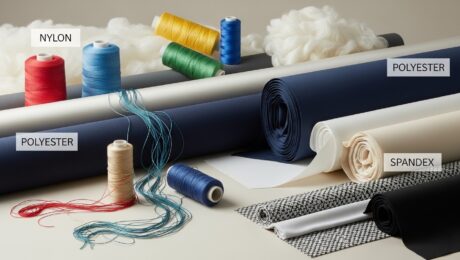
Types of Synthetic Fiber With Pictures & Their Uses
Thursday, 24 August 2017
Synthetic fibers have revolutionized the textile industry, offering a wide range of properties and applications not readily achievable with natural fibers. These man-made materials are created through chemical processes, primarily from petroleum-based chemicals. Key Characteristics of Synthetic Fibers Durability: Many synthetic fibers exhibit exceptional strength and resistance to abrasion, making them ideal for high-wear items
- Published in Textile Knowledge
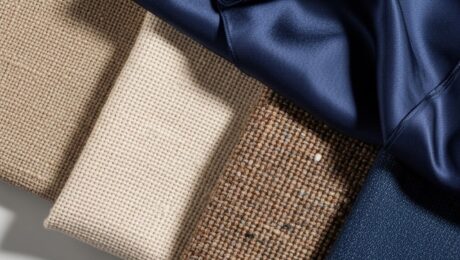
Types of Woven Fabric with Pictures & Their Uses
Thursday, 24 August 2017
Woven fabrics are fundamental to the textile industry, renowned for their durability and diverse applications, achieved through the interlacing of two or more sets of yarns at right angles. This intricate construction method results in materials with varying textures, weights, and patterns, making them suitable for an extensive array of products. Understanding the core principles
- Published in Textile Knowledge
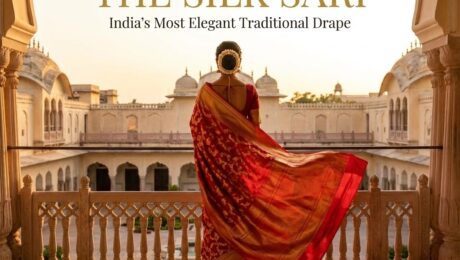
Types of Indian Silk Saree With Pictures
Monday, 21 August 2017
A sari, saree, or shari is a female garment from the Indian subcontinent that consists of a drape varying from five to nine yards (4.5 metres to 8 metres) in length and two to four feet (60 cm to 1.20 m) in breadth that is typically wrapped around the waist, with one end draped over
- Published in Textile Knowledge
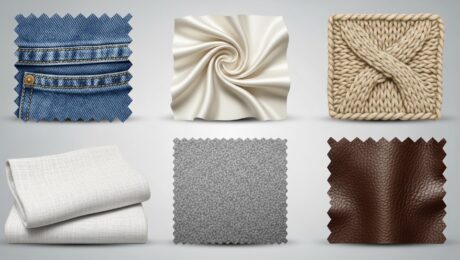
Types of Clothing Material With Pictures & Their Uses
Sunday, 20 August 2017
Choosing the right clothing material can significantly impact comfort, durability, and suitability for various occasions. This guide explores a range of common clothing materials, delving into their properties and ideal uses. Understanding these characteristics will empower you to make informed decisions when selecting your next garment. Common natural clothing materials Fiber / Source Fabric /
- Published in Textile Knowledge

Polyester Charmeuse vs. Silk Charmeuse
Thursday, 04 May 2017
Choosing the right fabric can make or break a project, whether it’s a luxurious garment, elegant bedding, or sophisticated home decor. Two popular choices, both known for their smooth, flowing drape and subtle sheen, are polyester charmeuse and silk charmeuse. While they may appear similar at first glance, a closer look reveals key differences in
- Published in Textile Knowledge

Weft Knitting vs. Warp Knitting
Tuesday, 21 February 2017
Knitting, a versatile fabric creation method, forms fabric by intermeshing loops of yarn. Two main types of knitting exist: weft knitting and warp knitting, each employing distinct techniques and resulting in different fabric characteristics. 1. Yarn Feeding and Loop Formation The fundamental distinction lies in how yarn is fed and loops are formed. Feature Weft
- Published in Textile Knowledge

The Fabric Weaving Process: From Thread to Textile
Tuesday, 21 February 2017
Weaving is a fundamental textile manufacturing process that interlaces two distinct sets of yarns or threads, known as the warp and the weft (or filling), to create fabric. The warp threads run lengthwise on the loom, while the weft threads are inserted crosswise. This intricate interlacement creates the structure and properties of the woven fabric.
- Published in Textile Knowledge

Staple Fiber Spinning
Tuesday, 21 February 2017
Staple fiber spinning is the process of transforming short, discrete fibers (staple fibers) into continuous yarn. This process involves several crucial steps, each contributing to the final quality, strength, and characteristics of the yarn. These steps include opening, cleaning, blending, carding, combing (for finer yarns), drawing, roving, and finally, spinning. This detailed guide explores each
- Published in Textile Knowledge

Structure and Properties of Wool Fibre
Tuesday, 21 February 2017
Wool, a natural protein fiber obtained primarily from sheep, has been a staple in textile production for millennia. Its unique structure and resulting properties make it a highly sought-after material for clothing, bedding, and various other applications. Unlike synthetic fibers, wool’s complex composition gives it characteristics that are difficult to replicate, including warmth, moisture management,
- Published in Textile Knowledge
Properties of the Naturally Colored Cottons
Sunday, 19 February 2017
Textile is among the industries in which harmful substances would arise. The disposal of the drainage after dyeing and finishing causes environmental pollution. On the other hand, questions are frequently raised regarding textile fibers and their impact on the environment, workplace and their product safety. It is reported that fabrics made by using synthetic fibers
- Published in Textile Knowledge
Cotton Properties and Uses
Sunday, 19 February 2017
Cotton, a staple fiber derived from the seedpod of the cotton plant, is one of the most widely used natural fibers in the world. Its versatility, comfort, and relative affordability have made it a cornerstone of the textile industry for centuries. This article delves into the specific properties of cotton and explores its diverse applications
- Published in Textile Knowledge
The Story of Cotton: How Cotton is Grown
Sunday, 19 February 2017
Cotton, a globally dominant natural fiber, owes its popularity to its versatility and relative ease of cultivation. Though less common than wool and linen in historical times due to processing difficulties, advancements in machinery and agricultural practices have established cotton as a staple in the textile industry. Understanding how cotton is grown and processed provides
- Published in Textile Knowledge

Abrasion and Pilling of Fabrics
Saturday, 18 February 2017
Abrasion and pilling are common fabric issues that can affect the appearance and lifespan of textiles. Understanding these phenomena is crucial for both textile manufacturers and consumers. This article delves into the intricacies of abrasion and pilling, exploring their causes, impacts, and methods to mitigate them. 1. Defining Abrasion and Its Types Abrasion refers to
- Published in Textile Knowledge

Introduction to Woven Fabrics
Saturday, 18 February 2017
Woven fabrics are made by interlacing two sets of yarns at right angles to each other. The lengthwise yarns are known as warp yarns or ends, while the widthwise yarns are known as filling yarns or picks. The lengthwise edges of the fabric are the selvages. The selvage is usually easily distinguishable from the rest
- Published in Textile Knowledge